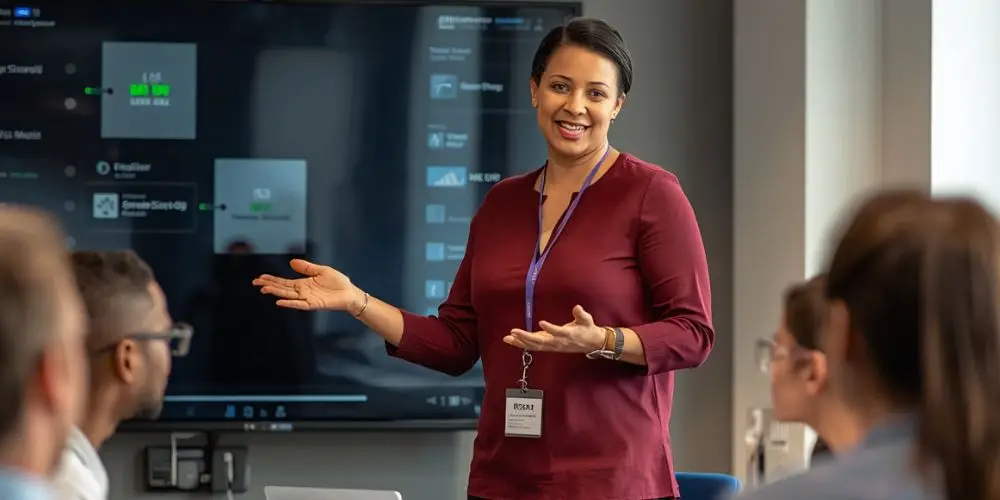

Presence in the Age of AI
AI can analyze conversations and reveal participation patterns. But leaders still need presence to interpret context, trust, power, and risk — and to turn shared contribution into better decisions.
Organizations understand Cultural Diversity’s significant benefits, such as promoting innovation and enhancing cross-cultural collaboration. To fully grasp the potential of Cultural Diversity, it is crucial to establish an inclusive environment that values and acknowledges individual differences. Yet, goodwill alone is very rarely enough.
This is where intercultural coaching becomes essential. In this article, I will explore how the latter bridges cultural differences and promotes an inclusive workplace.
XYZ Corporation (alternative name to preserve confidentiality) is a Geneva-based organization with entities on different continents. Its leadership recognized the importance of embracing Cultural Diversity and fostering an inclusive workplace culture. Instead of traditional training programs focusing on imparting knowledge about different cultures, XYZ Corporation opted for a more personalized and interactive approach through intercultural coaching.
We co-designed the intercultural coaching program to support and guide individuals and cross-cultural teams. Drawn on the coachees’ challenges, the coaching sessions help build more effective intercultural communication skills.
A prime element of intercultural coaching is cultivating self-awareness. By conducting introspection and clarifying their thoughts, thanks to the coach, individuals can better understand their own cultural values, biases, and prejudices. This heightened self-awareness enables them to recognize how their viewpoints may differ from others and how these differences affect communication and teamwork. By improving their cultural competence, individuals become more attuned to cultural subtleties and are better prepared to navigate intercultural dynamics.
(H)eightened self-awareness enables (...) to recognize how (...) viewpoints may differ (...) and how these differences affect communication and teamwork.
Inclusive workplaces rely on effective communication. Intercultural coaching promotes clarity and trust-based communication among employees, particularly for international and distributed teams who communicate online.
Team members at XYZ Corporation were guided on adapting their communication styles to accommodate cultural nuances, such as directness and indirectness, or the importance of hierarchy in decision-making through individual coaching and team coaching techniques.
You might also find insights and reflexive activities in our e-book.
Dealing with Cultural Diversity can result in conflicts and misunderstandings. But with intercultural coaching, individuals can acquire the skills to manage their emotions and resolve such disputes effectively. By promoting Cultural Agility, teaching techniques to suspend judgment, and encouraging respectful communication, intercultural coaching helps teams handle differences constructively.
Embracing Cultural diversity is a strategic imperative for most organizations in our globalized world. As a result of the intercultural coaching program, XYZ Corporation observed positive changes within the team dynamics. There was increased trust and understanding among team members, improving collaboration and productivity. Communication barriers that previously hindered progress were overcome, and conflicts arising from cultural differences were managed more constructively.
With the help of our intercultural coaching services, companies such as XYZ Corporation can promote cross-cultural collaboration and leverage the advantages of having a culturally diverse workforce.

AI can analyze conversations and reveal participation patterns. But leaders still need presence to interpret context, trust, power, and risk — and to turn shared contribution into better decisions.

In intercultural environments, power dynamics aren’t always visible—but they strongly shape who gets heard, supported, or sidelined. This post invites you to strengthen your inclusive leadership through three key levers: Presence, Courage, and Connection.

Working with colleagues from diverse cultural backgrounds can bring unique perspectives and communication challenges. Active listening is crucial in overcoming these obstacles. Here are eight techniques for improving active listening.
Du 7 au 9 juillet 2023 dans le Poitou